Understanding Wärmepumpe im Altbau
As more homeowners look for sustainable and efficient heating solutions, the interest in wärmepumpe im altbau is on the rise. A Wärmepumpe, or heat pump, presents a modern alternative to traditional heating systems, especially for older buildings, or Altbau. This article explores the intricacies of integrating Wärmepumpe technology into these structures, addressing common concerns, benefits, and essential considerations for homeowners. When exploring options, wärmepumpe im altbau provides comprehensive insights into the practicalities and efficiencies of this innovative solution.
What is a Wärmepumpe?
A Wärmepumpe is a device that transfers heat from one place to another, utilizing natural heat sources such as air, water, or ground. It operates using a refrigeration cycle and can provide both heating and cooling capabilities. There are primarily three types of Wärmepumpen: air-source, ground-source (or geothermal), and water-source, each with unique efficiency ratings and installation considerations. In the context of Altbau, where traditional heating methods may not yield optimal results, a Wärmepumpe can effectively harness existing thermal energy to provide comfortable indoor temperatures.
Advantages of Wärmepumpe in Old Buildings
There are several advantages to installing a Wärmepumpe in an Altbau:
- Energy Efficiency: Wärmepumpen are known for their high efficiency ratings, often converting one unit of electricity into three or more units of heat. This can lead to significant energy savings when compared to conventional heating systems.
- Cost-Effectiveness: Although the initial installation costs can be higher, the long-term energy savings and potential government grants can make Wärmepumpen a financially sound investment.
- Environmentally Friendly: By utilizing renewable energy sources, Wärmepumpen can significantly reduce carbon emissions and the overall carbon footprint of a household.
- Versatility: They can be used for both heating in winter and cooling in summer, offering year-round climate control.
Common Misconceptions Addressed
Despite their benefits, there are misconceptions surrounding Wärmepumpen in Altbau. Some homeowners believe that these systems require complete insulation upgrades or are incompatible with older heating infrastructure. However, many Wärmepumpen can be retrofitted into existing systems with minimal modifications. Understanding these misconceptions is vital for homeowners considering this technology.
Evaluating Energy Needs for Altbau
Assessing Home Insulation and Efficiency
Before installing a Wärmepumpe, it's crucial to assess the building's insulation and overall energy efficiency. Older structures often have varying insulation standards, which can affect heat retention. Common areas to evaluate include:
- Windows and Doors: Check for drafts and improper sealing, which can lead to heat loss.
- Wall Insulation: Assess the types of materials used in construction that might affect thermal retention.
- Roof and Ceiling Insulation: Insufficient insulation in these areas can significantly impact heating efficiency.
Conducting a Heating Load Calculation
A heating load calculation is essential to determine the right size and type of Wärmepumpe needed for an Altbau. This calculation considers factors such as the building's size, insulation quality, and regional climate conditions. Homeowners should consult with HVAC professionals to ensure an accurate assessment, as undersized or oversized systems can lead to inefficiencies and increased operational costs.
Identifying Suitable Wärmepumpe Types
Choosing the right type of Wärmepumpe is critical for ensuring optimal performance in an Altbau. Here are the primary options to consider:
- Air-Source Wärmepumpe: These are usually the most cost-effective option and can work well in moderate climates but may struggle in extreme cold.
- Ground-Source Wärmepumpe: While the installation is more expensive due to ground excavation, these systems are highly efficient, providing stable temperatures year-round.
- Water-Source Wärmepumpe: Best suited for properties near water bodies, these systems are efficient but not widely applicable.
Installation Considerations for Wärmepumpe
Hiring Qualified Professionals
Installing a Wärmepumpe in an Altbau requires expertise and knowledge of local building codes and regulations. It is advisable to hire certified professionals with experience in retrofitting Wärmepumpen in older buildings to ensure proper installation and compliance.
Expected Timeline and Costs
The installation timeline for a Wärmepumpe can vary based on the complexity of the project and the type of system chosen. Generally, homeowners should expect:
- Preparation and Planning: 1-2 weeks for assessments and planning.
- Installation: 1-3 weeks depending on the selected Wärmepumpe type.
- Post-Installation Testing: 1 week to ensure the system is functioning correctly.
Cost estimates can range significantly, so it is essential to obtain multiple quotes and factor in long-term savings when evaluating the overall investment.
Required Modifications to Existing Systems
Integrating a Wärmepumpe might require modifications to existing heating distribution systems in an Altbau. Common modifications include:
- Replacing or upgrading radiators to accommodate lower supply temperatures.
- Installing thermostatic controls for better temperature regulation.
- Improving ductwork or piping systems to enhance flow efficiency.
Long-term Benefits of Wärmepumpe im Altbau
Cost Savings on Energy Bills
As energy prices continue to rise, the cost savings associated with a Wärmepumpe can be substantial. Homeowners often report a reduction in heating costs by up to 60% compared to traditional systems. This reduction is particularly pronounced in homes that utilize renewable energy sources, such as solar power, in conjunction with their Wärmepumpe.
Environmental Impact and Sustainability
Investing in a Wärmepumpe contributes significantly to sustainability efforts. By reducing reliance on fossil fuels, these systems help decrease greenhouse gas emissions and promote a cleaner environment. Furthermore, as more homeowners adopt Wärmepumpen, the cumulative effect on energy consumption can lead to greater progress toward national and global energy goals.
Government Incentives and Grants
Many governments offer incentives or rebates to encourage the installation of energy-efficient systems, including Wärmepumpen. Homeowners should explore available programs, which can offset installation costs and enhance the financial viability of transitioning to a Wärmepumpe. This financial assistance can be substantial, making the initial investment more manageable.
Future Trends in Wärmepumpe Technology
Innovations Shaping 2026
The Wärmepumpe market is rapidly evolving, with innovations poised to enhance efficiency and performance. Some emerging trends include:
- Hybrid Systems: Combining Wärmepumpen with traditional boilers for increased flexibility and efficiency.
- Smart Technology Integration: Utilizing smart home technologies for enhanced control and monitoring of heating systems.
- Advanced Materials and Design: Developing more compact and efficient units to improve space efficiency in installations.
Smart Home Integration Features
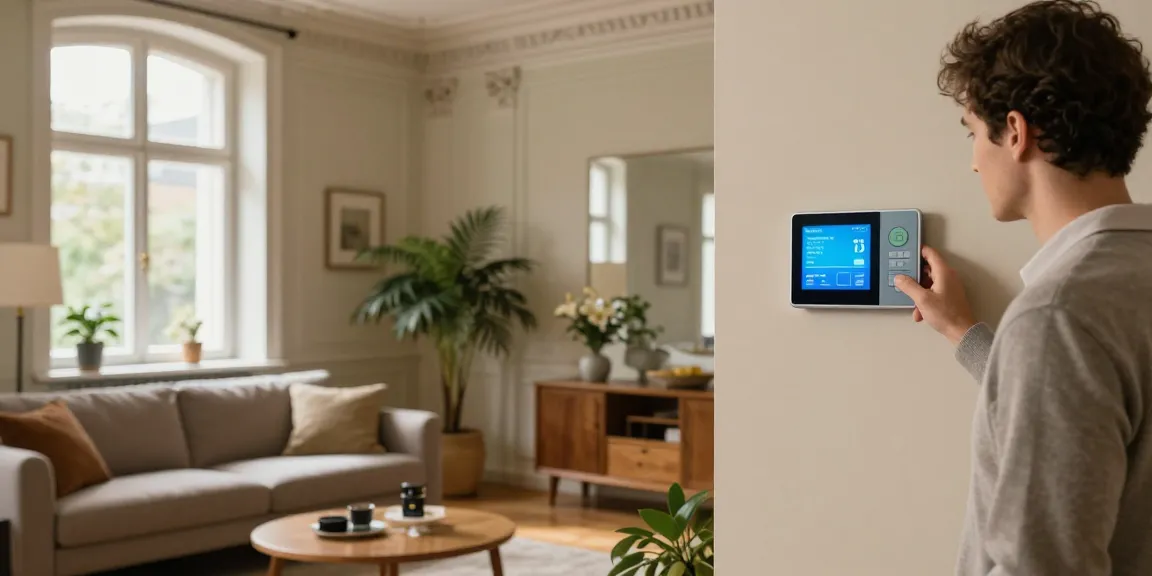
As smart home technology gains traction, integrating Wärmepumpen with home automation systems will become increasingly common. Features such as remote control, programmable settings, and automated energy management will allow homeowners to optimize their systems for enhanced comfort and efficiency.
Emerging Regulatory Standards
With the global push towards renewable energy and carbon neutrality, new regulations are likely to emerge, affecting the installation and operation of Wärmepumpen. Homeowners should stay informed about legislative changes that may influence their heating choices, especially regarding energy efficiency targets and environmental impact assessments.
Is a Wärmepumpe worth it in Altbau?
Ultimately, the decision to install a Wärmepumpe in an Altbau depends on various factors, including existing infrastructure, energy prices, and personal commitment to sustainability. With proper assessment and planning, a Wärmepumpe can provide long-term benefits and return on investment.
What types of Altbau are suitable for Wärmepumpe?
While most Altbau can potentially accommodate a Wärmepumpe, those with adequate insulation and modernized heating systems will yield the best results. Properties needing extensive renovations may require more upfront effort but can benefit immensely from increased energy efficiency.
How does a Wärmepumpe compare with traditional heating?
Compared to traditional heating methods, Wärmepumpen offer higher efficiency and lower operational costs. They also provide versatile heating and cooling solutions without relying on fossil fuels, making them a more sustainable choice for modern living.
What are the maintenance needs for Wärmepumpe?
Regular maintenance is essential for optimal performance of a Wärmepumpe. Homeowners should schedule annual inspections to check refrigerant levels, inspect electrical components, and ensure that filters are clean. Proper maintenance extends the lifespan of the system and ensures efficiency.
Can I install a Wärmepumpe myself?
Due to the complexity of installation and the specific requirements of local building codes, it is not recommended for homeowners to attempt DIY installation of a Wärmepumpe. Hiring qualified professionals is crucial for ensuring the system is installed correctly and operates efficiently.